

Shop
Shop By Health Benefit
Learn
 USD
USDCreate Account
LOGIN
Best Sellers
Morning Complete
Essential Skin Food
BioCollagen Complex
Advanced Restorative Probiotic
Bundles
Shop All
Shop Maggie's Favorites

Shop All
Learn
About
In The Press
Giving Back
Blog
FAQ
Contact
SHOP
SHOP BY HEALTH BENEFIT
LEARN
USDBest Sellers
Morning Complete
Essential Skin Food
BioCollagen Complex
Advanced Restorative Probiotic
Bundles
Shop All
Shop Maggie's Favorites
Shop All
Learn
About
In The Press
Giving Back
Blog
FAQ
Contact
Kickstart Your Day With a Daily Greens Wellness Drink
SHOP MORNING KICK®
What Is Clean Eating? Here's How To Start A Clean Eating Meal Plan
Americans are increasingly embracing clean eating. And clean eating is not a diet so much as a healthy lifestyle approach to whole and natural foods and how you prepare them.1,2 So, what is clean eating — and why is it healthy?
What Does It Mean To Eat Healthy?
Healthy eating may be defined as consuming a variety of foods that provide the nutrients your body needs to maintain health and energy and feel good.3
Healthy eating includes:
- Consuming healthy fats over trans fats and other unhealthy fats
- Eating slowly digested carbohydrates over highly refined versions
- Emphasizing protein from plants more than protein from animal sources
- Highlighting lots of fruits and vegetables
- Choosing to drink sugar-free beverages4
However, eating clean encompasses a bit more than just eating healthy.
How The Clean Eating Diet Works
 The concept of clean eating refers to consuming more real food in its natural form. A clean eating meal plan specifically encompasses eating more fruits and veggies, whole grains, beans, nuts, and seeds, as well as plant and animal proteins. The quality of the foods you eat also matters.5
Observing a clean eating meal plan does not mean giving up everything that you love to eat. It mostly involves eating foods that are in their natural form — not processed or refined.6
The Real Deal About Clean Eating
The food choices that you make have a very real impact on your body. So, not surprisingly, there are a number of potential health benefits to eating a clean foods diet. They include:
Supporting Longevity
Consuming clean, unprocessed foods may help you live longer. Practically speaking, this means eating more whole grains and fresh produce.7
Having More Energy
Eating nutritious foods that are high in fiber is beneficial. High-fiber foods, like citrus fruit, quinoa, and leafy greens, take longer to digest and provide a burst of energy that processed foods just cannot match. On the other hand, consuming processed junk foods drains your energy and may result in sluggishness.8
Building Muscle And Burning Fat
Eating lean proteins from healthy foods with simple ingredients is known to build lean muscle mass. It also helps boost your metabolism and contributes to maintaining a healthy weight. Protein-rich plant foods like beans, quinoa and sweet potatoes contribute to lean muscle.9
A Guide To Clean Eating For Beginners
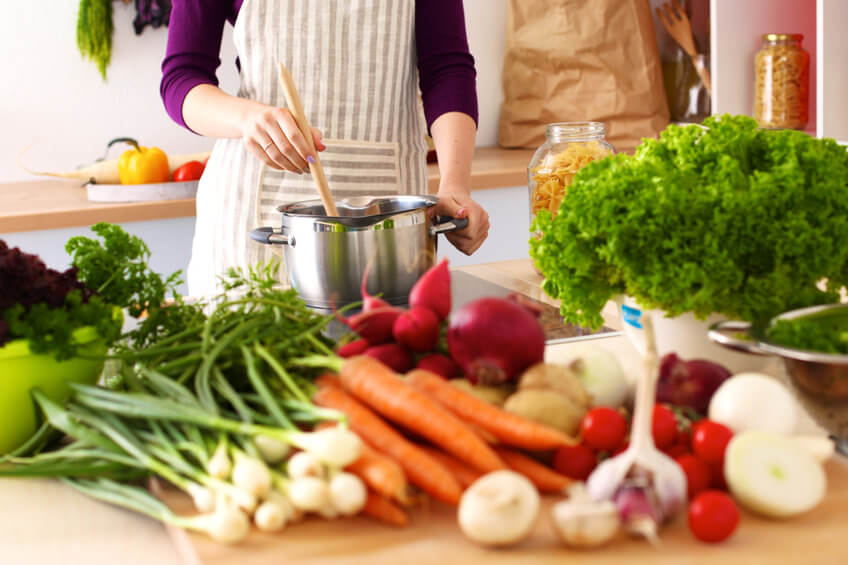
A rule of thumb for clean eaters is: if the food that you are eating doesn’t have an ingredient list, there’s a good chance that it’s got real nutritional benefits.10 Think apples, whole grains, peppers, tomatoes, or salmon.
What You Can Eat On The Clean Eating Diet
When you follow a clean diet, the focus is on foods low in added sugar and salt, along with healthy fats and whole grains. Contrary to what you might imagine, eating clean doesn’t necessarily mean going vegan or giving up tasty, fun foods. It just means eating foods in their whole and natural state.11
Vegetables are the centerpiece of a clean diet. In their original, whole form, they contain valuable vitamins, minerals, and fiber. Frozen vegetables are also a solid choice, but you need to read the labels carefully to ensure that there are no sauces, added salt, or other unhealthy ingredients.12
What Might A Clean Eating Grocery List Look Like?
Eating based on a clean meal plan may sound like a challenge. However, it is a lot easier to handle when your home is filled with whole, healthy foods.
Your clean eating grocery list may include:
 Fruits
- Fresh fruits
- Canned fruit with no added sugar
- Frozen fruit with no added sugar
- Dried fruit with no added sugar
Fiber-Rich Vegetables
- Fresh vegetables
- Frozen vegetables that contain no sauce or added salt
- Canned vegetables that contain no sauce or added salt
Starchy Foods
- Whole grains comprised of a single ingredient, such as farro, millet, oats, barley, quinoa, and brown rice
- Pastas made from whole wheat pasta and other single-ingredient whole grains or vegetables
- Whole-grain bread and cereal
- Potatoes and other root vegetables
- Legumes, such as beans and peas
Milk And Other Dairy Products
- Plain, unsweetened yogurt
- Unsweetened non-dairy milks
- Dairy made from plain whole milk
- Cheese
High Quality, Protein-Rich Foods
- Wild seafood
- Grass-fed beef
- Eggs
- Single-ingredient meats (i.e. no deli meats or chicken nuggets)
 Foods Rich In Healthy Fats
- Unflavored, unsalted nuts
- Plain nut butters
- Dried beans
- Avocados and avocado oil
- Olives and olive oil
Simple Beverages
- Unsweetened tea, coffee, water, and seltzer13,14
What You Should Avoid On The Clean Eating Diet
A clean eating meal plan should not feel overly restrictive, however, certain types of foods and ingredients should almost universally be avoided.
Foods With Refined Sugars
Cut out foods and drinks with refined sugar added during preparation or production. This extra sugar may be in the form of white sugar, brown sugar, high-fructose corn syrup, honey, or maple syrup. Examples of drinks on the “no-list” include sugary sodas, energy drinks, and most store-bought flavored coffee beverages. This does not include the sugars contained in milk and fresh fruit.15
Fruit juices, like orange juice, are a special case that often fly below the radar. Although fruit juices may appear to be natural foods derived from real fruit, they are a highly concentrated source of sugar. This is because, by volume, fruit juices often contain as much sugar as a comparable amount of soda.16
Foods With Refined Grains
 Refined foods are foods that have been stripped of their bran, fiber, and many nutrients. These include white bread, pizza dough, pasta, store-bought pastries, white rice, and many breakfast cereals. The refined grains in these foods may cause blood sugar spikes, which can lead to swings in mood and energy, as well as an expanding waistline.17
Foods With Unhealthy Fats
Processed foods often contain unhealthy fats, such as trans fats made from partially hydrogenated oil. In addition, red meat, butter, cheese, and ice cream often contain high amounts of saturated fat. In particular, full-fat dairy is best avoided on a clean-eating diet.18,19
Foods With Excessive Sodium
Many processed convenience foods contain excessive amounts of sodium. Think hot dogs, packaged soups, cold cuts, ravioli, bacon, frozen pizzas, savory snack foods, and salad dressings. While the sodium is meant to preserve foods and influence flavor, texture or color, you often don’t even notice that you are eating so much of it. It’s alway a good idea to check food labels for the actual amount of sodium.20
Foods With Artificial Ingredients
Many of the processed foods that contain lots of sodium are also filled with preservatives, artificial sweeteners, and artificial ingredients that are difficult to pronounce. While these are used in the production and manufacturing process, they are not good for your health.21
Get Started Eating Clean
Healthy eating is not as overwhelming as it may seem. The first part of a clean eating meal plan is to establish health goals. Decide what you want. Do you want to have more energy? Do you want to build muscle or lose weight? Then make a list of the healthy foods that you want to eat.
Take the time to learn how to meal prep. Creating healthy habits around a diverse array of plant foods, high quality animal proteins, and other healthy snacks will go a long way toward building a healthy diet built upon the cleanest foods possible.
Sources
- https://foodinsight.org/wp-content/uploads/2019/05/IFIC-Foundation-2019-Food-and-Health-Report-FINAL.pdf
- https://www.easylivingtoday.com/beginners-guide-to-clean-eating/
- https://www.breastcancer.org/tips/nutrition/healthy_eat
- https://www.ncbi.nlm.nih.gov/pmc/articles/PMC3471136/
- https://www.nbcnews.com/better/lifestyle/better-way-think-about-clean-eating-ncna1020996
- https://www.cleaneatingmag.com/clean-diet/what-is-clean-eating/7-golden-rules-of-clean-lean-eating/
- https://www.easylivingtoday.com/beginners-guide-to-clean-eating/
- https://www.easylivingtoday.com/beginners-guide-to-clean-eating/
- https://tanita.eu/blog/8-tips-for-lean-muscle-gain/
- https://www.menshealth.com/nutrition/a19543567/lean-muscle-diet-0/
- https://www.eatingwell.com/article/78846/7-tips-for-clean-eating/
- https://www.eatingwell.com/article/78846/7-tips-for-clean-eating/
- https://www.eatingwell.com/article/282469/clean-eating-foods-list/
- https://www.menshealth.com/nutrition/a19543567/lean-muscle-diet-0/
- https://newsinhealth.nih.gov/2018/12/plan-your-plate
- https://health.ucdavis.edu/blog/good-food/is-fruit-juice-bad-for-you-and-your-children/2019/07
- https://www.helpguide.org/articles/healthy-eating/choosing-healthy-carbs.htm#
- https://www.hsph.harvard.edu/nutritionsource/what-should-you-eat/fats-and-cholesterol/
- https://myhealth.alberta.ca/Health/Pages/conditions.aspx?hwid=zp4053
- https://www.heart.org/en/healthy-living/healthy-eating/eat-smart/nutrition-basics/processed-foods
- https://newsinhealth.nih.gov/2018/12/plan-your-plate
Loading...